Samsung AI glasses and Meta Ray-Ban Display keep getting compared as if they are the same product. They are not. Samsung’s first model is a camera-and-audio wearable built around Google Gemini, while the US$799 Meta glasses put directions, messages, and camera previews in one lens. That category mismatch decides most of the buying advice before the spec sheet gets involved.
This page contains affiliate links. If you buy through these links, we may earn a small commission at no extra cost to you. Full disclosure.
Samsung still has not confirmed a price or exact ship date. Its official window is fall 2026, which now means the release could be only weeks away and potentially land in October. If you want a heads-up display now, buy Meta Ray-Ban Display. If you want display-free glasses with Gemini, wait for Samsung’s price and independent reviews before choosing between Galaxy Glasses and Ray-Ban Meta Gen 2.
Last updated: September 6, 2026. Added privacy and prescription sections, expanded FAQ.
Featured image: Samsung Newsroom.
Contents
- What Samsung actually announced
- Samsung AI glasses specs: confirmed vs reported
- Samsung Galaxy Glasses vs Meta Ray-Ban Display
- The category mismatch and Meta’s market lead
- Privacy and social acceptance
- Prescription lenses could decide the purchase
- Galaxy Glasses price and release date
- Which smart glasses should you buy?
- Who should skip Samsung’s first glasses
- What Samsung still has not confirmed
- Samsung Galaxy Glasses FAQ
- The Short Version
What Samsung actually announced
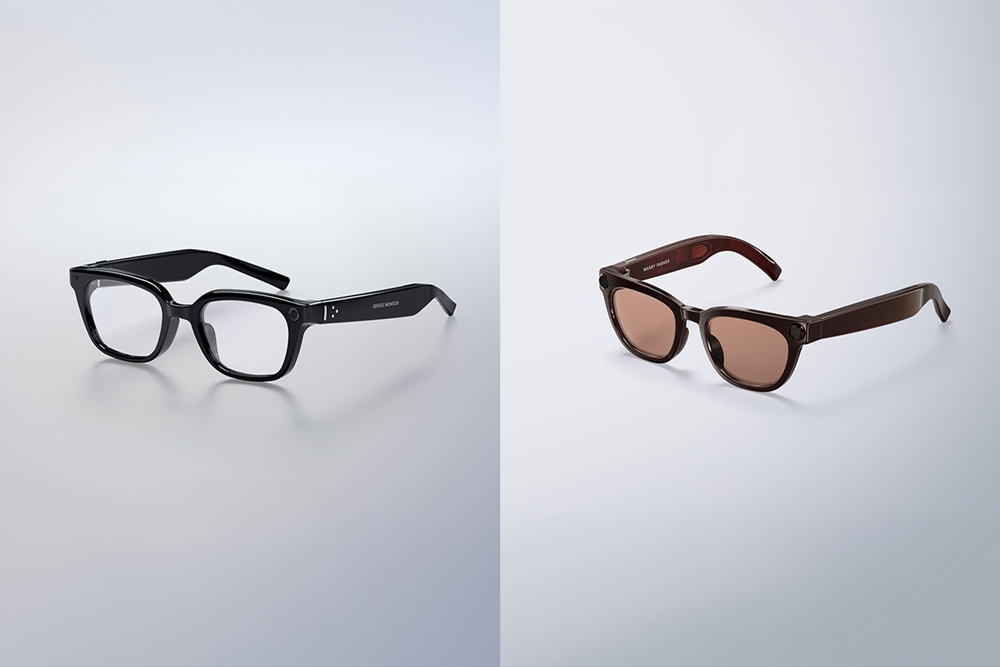
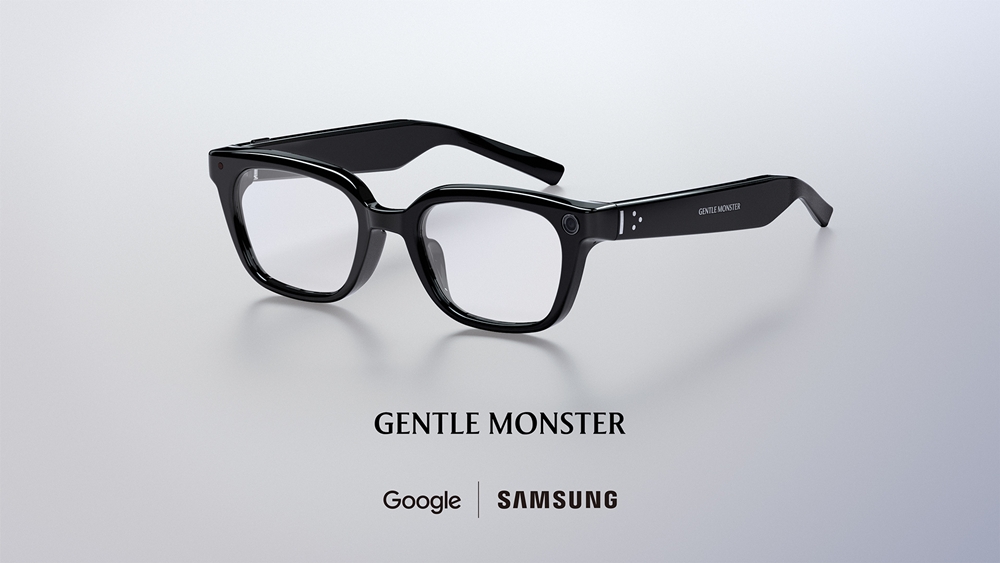
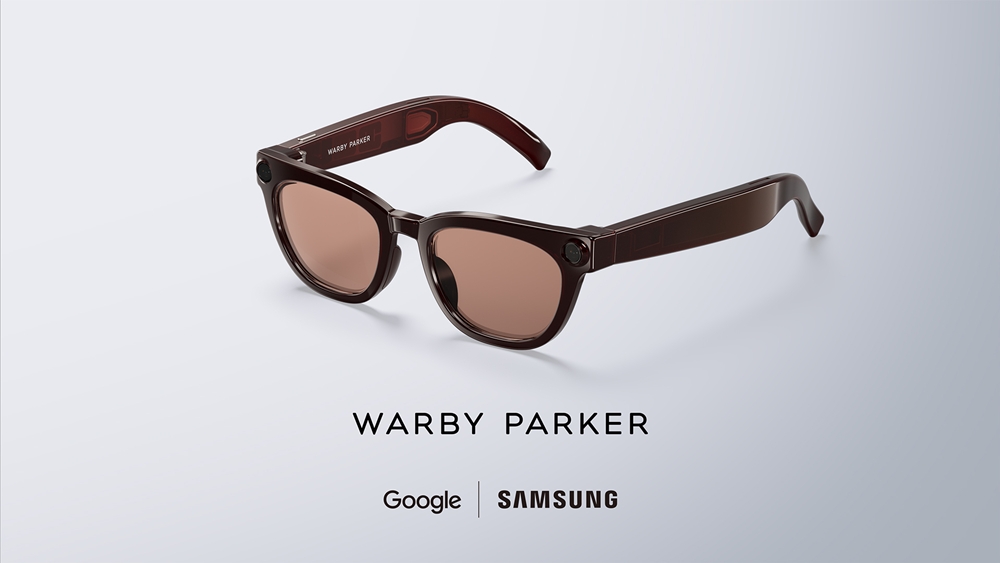
Samsung used Galaxy Unpacked in London to show two more intelligent eyewear designs made with Gentle Monster and Warby Parker. That brings the public lineup to four designs. Samsung’s own announcement calls the product “intelligent eyewear,” while Galaxy Glasses is still the name most people use when searching for it. This is Samsung’s first smart-glasses product, so there is no earlier Samsung generation with a comfort or reliability record to lean on. Meta Ray-Ban Smart Glasses on Amazon (affiliate)
The hardware runs Android XR and uses Gemini as the assistant. A camera sees what you are looking at, then Gemini can identify an object, translate a menu, give spoken navigation, summarize messages, capture a photo, or save meeting information to Samsung Notes. Samsung claims up to nine hours of use and up to seven additional recharges from the case.
Here is the detail that early coverage sometimes blurred: there is no image projected into the lens. Google describes this first wave as audio glasses and separately says display glasses will come later. The Samsung AI glasses can understand visual information through the camera, but their answer comes through the speakers. You will not see a floating map, teleprompter, or message window.
Samsung AI glasses specs: confirmed vs reported
Samsung confirmed the parts that explain how the glasses work, but it did not publish a conventional specification sheet. That distinction matters. A credible leak is still a leak until the retail product or Samsung’s documentation confirms it.
Confirmed by Samsung or Google
- Android XR with Google Gemini
- No in-lens display in the first audio model
- Qualcomm Snapdragon AR1 Gen 1
- Built-in camera, microphones, sensors, and speakers
- Voice, frame tap, and gesture control
- Up to nine hours per charge and up to seven case recharges
- Android and iPhone compatibility
- Gentle Monster and Warby Parker designs, with more styles planned
- Fall 2026 launch window
Reported, but not confirmed by Samsung
Pre-launch reporting points to a 12MP front camera, directional speakers, a weight near 50g, a temple touchpad, a dedicated camera button, and two indicator lights. SamMobile reported a 245mAh battery, while earlier estimates put real use around six to eight hours. Samsung’s nine-hour claim is now the official number, but nobody outside Samsung has tested a retail unit yet.
The 50g estimate would make the Samsung AI glasses roughly 19g lighter than Meta Ray-Ban Display. That sounds minor until the weight sits on your nose for six hours. It is also one reason Samsung omitted a display: screens, optics, and the extra structure needed to hold them add weight.
Samsung Galaxy Glasses vs Meta Ray-Ban Display
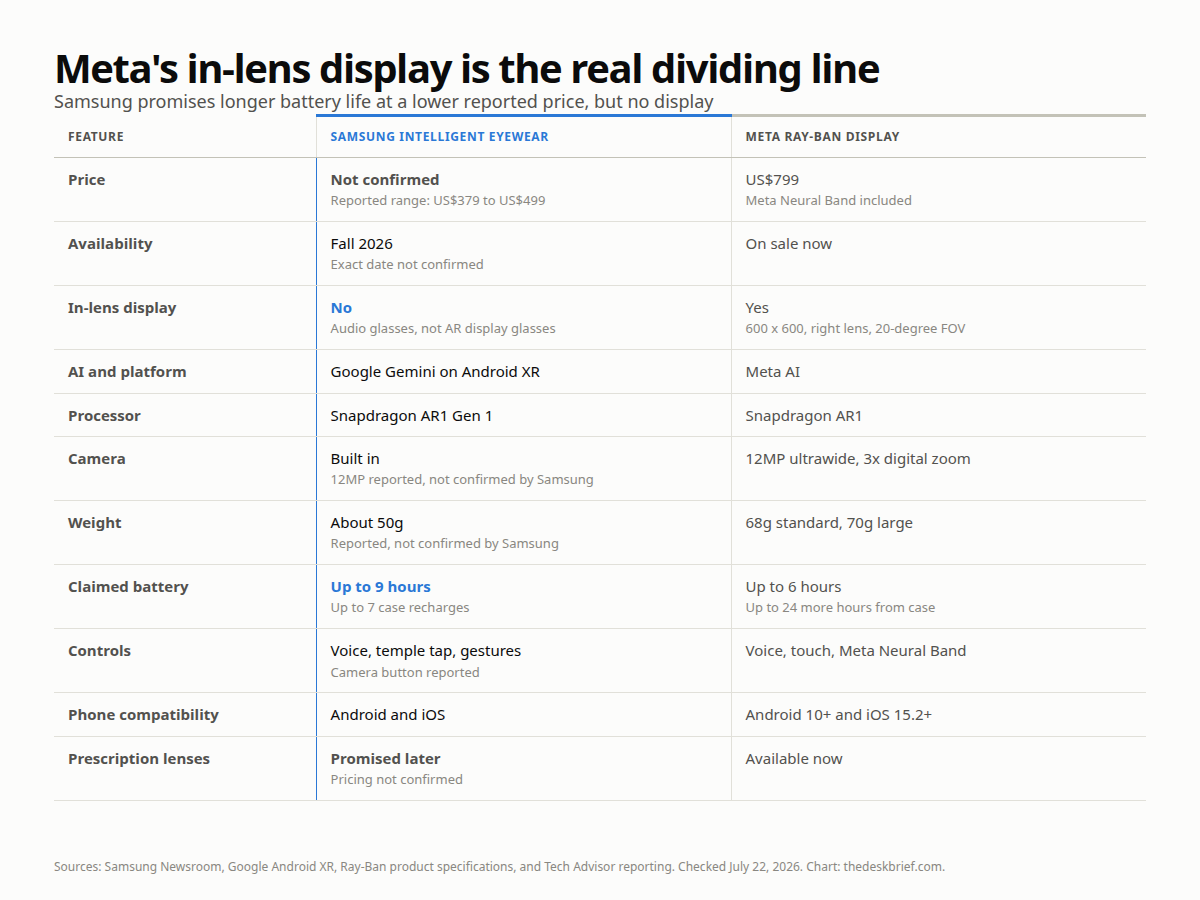
Meta Ray-Ban Display costs US$799 and includes the Meta Neural Band. Its 600 x 600 full-colour display sits in the right lens with a 20-degree field of view. It can show messages, walking directions, live captions, a camera preview, and other glanceable information. The Neural Band reads muscle signals in your wrist so you can navigate with small finger gestures.
The display ranges from 30 to 5,000 nits, so it can stay dim indoors and remain visible in bright light. The Neural Band is rated for 18 hours and IPX7 water resistance. Meta is also rolling out virtual handwriting in 2026, using the same surface electromyography system in the band. Meta launched the glasses in the US on September 30, 2025, with Canada, France, Italy, and the UK scheduled for early 2026. A July 2026 software update added Threads support and a newer Meta AI model, giving the shipping product another practical lead while Samsung remains unreleased.
The two products share some hardware. Both use Qualcomm’s Snapdragon AR1 platform and both have a 12MP-class camera, assuming the Samsung camera report holds. But those similarities do not make them direct equivalents. Ray-Ban’s published specifications list 68g to 70g for the glasses, up to six hours of mixed use, and another 24 hours from the 169g case.
The category mismatch and Meta’s market lead
If your definition of smart glasses requires information in the lens, Samsung loses before the comparison starts. Meta Ray-Ban Display is expensive, heavier, and asks you to charge a wristband too, but it can do something Samsung’s first model simply cannot.
The honest rival for Samsung is Ray-Ban Meta Gen 2, the display-free model that starts at US$379. It already offers a 12MP camera, open-ear audio, Meta AI, and familiar Ray-Ban frames. Samsung’s answer is Gemini, longer claimed battery life, iPhone support, and tighter links with Android services. That is a real comparison. Putting the audio-only Samsung model against Meta Ray-Ban Display mostly compares what one product lacks.
Samsung is also entering a category that Meta has been building since the first Ray-Ban Stories launched in 2021. The exact market-share number depends on what each research firm includes. IDC measured Meta at 69.2% of global smart-glasses shipments in Q1 2026. Counterpoint measured nearly 84% of intelligent eyewear shipments in the same quarter, up from 82% in the preceding quarter.
Those methods differ, but the conclusion does not: Meta dominates the current market. EssilorLuxottica reported more than seven million Ray-Ban Meta and Oakley Meta AI glasses sold in 2025. Meta has retail distribution, prescription experience, years of user feedback, and products people can try on today. Samsung is shipping its first pair.
Samsung’s structural advantage is the ecosystem. Android XR is a platform, not one pair of glasses, and Gemini can connect the eyewear to apps, a Galaxy phone, and a Galaxy Watch. Google has confirmed iPhone compatibility, although I would still expect the best integration on Android. That platform approach is the same reason I think the useful version of a smart workspace will be a group of connected devices, not one miracle gadget.
Samsung may not be the only large ecosystem vendor joining the contest. Bloomberg reports that Apple is developing display-free AI glasses with several frame styles and a camera, potentially for a 2027 release. Apple has not announced that product, so it belongs in the reported column with Samsung’s unconfirmed details.
Privacy and social acceptance are still unsolved
An always-available camera changes how a pair of glasses feels to everyone around the wearer. A phone normally has to come out of a pocket before somebody points its camera at you. Camera glasses can be ready while the wearer appears to be having a normal conversation. That difference does not make every owner suspicious, but it does make consent and social signalling part of the product.
Samsung has not published a final privacy specification. Pre-release reporting describes two lights: an outward-facing indicator intended to tell other people when the camera is active, plus an inward-facing light that tells the wearer. Until retail hardware and documentation arrive, both the two-light design and the exact conditions that trigger each light should be treated as reported.
Meta uses an outward capture LED for photos and video. Meta says second-generation glasses disable the camera if the capture LED is blocked or physically tampered with. There is an important limit: Ray-Ban’s current FAQ says newer models do not light that LED for some camera-based AI requests because those images are being analyzed rather than saved for sharing. A bystander cannot infer every use of the camera from one light.
Indicator hardware is useful, but it cannot produce social acceptance by itself. Owners still need to ask before recording in homes, workplaces, clinics, classrooms, and other private settings. People around them still need a clear way to know what is happening. Samsung’s eventual privacy controls, cloud-processing disclosures, and workplace policies matter as much as the camera resolution. Before adding another wearable camera to an account, our digital privacy audit checklist covers the less glamorous settings worth checking.
Prescription lenses could decide the purchase
Smart glasses are not an optional accessory for someone who relies on corrective lenses. They have to replace the person’s normal frames, fit properly, and support the actual prescription. A low base price means little if the buyer cannot order suitable lenses or has to give up the optician who already knows the fit.
Meta and EssilorLuxottica already have a prescription program through Ray-Ban and optical retailers. The exact range depends on the frame and sales channel. The prescription-focused Ray-Ban Meta Blayzer Optics and Scriber Optics Gen 2 models start at US$499 and are designed for a wider set of prescriptions. Meta’s broader 2026 Meta Glasses line supports a total-power range of -12 to +2.25 through participating optical channels, while Meta.com lists -6 to +2.25.
Samsung has shown Warby Parker and Gentle Monster designs, but it has not confirmed prescription availability, supported ranges, lens partners by country, or prescription pricing for the launch models. That is not a minor missing spec. For anyone who wears prescription glasses all day, it is a reason to wait even if Samsung’s electronics and software look better on paper.
Galaxy Glasses price and release date
The Samsung AI glasses price is not official. Supply-chain reporting collected by Tech Advisor points to US$379 to US$499. Treat that as a wide reported range, not a promise. Samsung could land outside it once frame, lens, and prescription options are priced.
The official Galaxy Glasses release window remains fall 2026, with the US expected first. Samsung has not named an order date or shipping day. Since it is now September, an October release would be only weeks away, but October is not an official date. A separate display-equipped Android XR model is reported for 2027 at more than US$700. Samsung has not formally announced that product or price either.
At US$379, Samsung would be easy to understand: pay the same starting price as Ray-Ban Meta Gen 2 for Gemini and better Android integration. At US$499, the missing display becomes harder to ignore, particularly beside prescription-ready Meta models at the same starting price. The recommendation depends heavily on which end of the reported range survives contact with the retail shelf.
Which smart glasses should you buy?
Buy Meta Ray-Ban Display if you want a heads-up display now. It is the only product in this comparison that can put a map, caption, message, or camera viewfinder in front of your eye. US$799 is a lot of money, and six hours is not all-day battery life, but waiting for Samsung’s audio glasses will not replace that screen.
Wait for Samsung AI glasses if you want Gemini, good audio, and a lower price. This is the more interesting choice for someone already using Android and Google services, especially if the price lands near US$379. Do not preorder on the ecosystem story alone. Wait for independent camera, microphone, comfort, battery, privacy, and prescription testing.
Buy Ray-Ban Meta Gen 2 if you want camera-and-audio glasses now. It is the real apples-to-apples alternative and starts at US$379. Meta’s assistant may not fit your life as well as Gemini, but the product exists, has broad retail support, and does not ask you to gamble on Samsung’s launch price.
At a desk, none of these glasses replaces a properly positioned monitor or a chair that fits. Fix the basics with our ergonomic desk setup checklist. If the attraction is having fewer devices and wires around you, the practical gains in our best cable management guide are available now and do not put a camera on your face.
Samsung’s other Unpacked launches are available sooner. Our guides cover the US$379.99 Galaxy Watch 9, the US$699.99 Galaxy Watch Ultra 2, and whether the new Samsung Galaxy Card is worth opening for a hardware purchase.
Who should skip Samsung’s first glasses
Skip the Samsung AI glasses if you need visual navigation, captions in your lens, a teleprompter, or confirmed prescription support. I would also skip the first shipment if camera privacy makes you uncomfortable or if you need a wearable that is accepted in a regulated workplace. Reported indicator lights help, but they do not answer every social, security, or policy question that comes with wearing a camera on your face.
What Samsung still has not confirmed
The Samsung AI glasses announcement settled the display and battery-life questions, but it left the details below open. These are not small footnotes. Price, fit, privacy behaviour, and prescription support will decide whether this is a useful everyday product or a clever demo that stays in its case.
- Final price: US$379 to US$499 is reporting, not an announced price.
- Exact ship date: fall 2026 is the window, not a day you can put on a calendar.
- Independent battery results: Samsung claims up to nine hours, but has not published detailed test conditions and reviewers have not tested retail hardware.
- Camera resolution: 12MP is widely reported, but Samsung’s announcement only confirms a built-in camera.
- Final weight: roughly 50g remains a report.
- Privacy indicator behaviour: two LEDs are reported, but Samsung has not documented when each activates.
- Prescription support: Samsung has not confirmed eligible prescriptions, participating opticians, or lens pricing for the launch models.
- Launch-day styles and regions: four designs have been shown, but availability by partner and country is incomplete.
Samsung Galaxy Glasses FAQ
Do Samsung Galaxy Glasses have a display?
No. The first Samsung AI glasses are audio glasses with a camera, speakers, and Gemini. They do not project text, maps, or images into the lens. A separate display model is reported for 2027, but Samsung has not formally announced its price or release date.
How much will Samsung AI glasses cost?
Samsung has not announced the Galaxy Glasses price. Current reporting points to US$379 to US$499. Prescription lenses and premium frame options could cost more, but Samsung has not published those costs.
When is the Galaxy Glasses release date?
Google and Samsung say the first audio glasses will launch in fall 2026. The US is expected to be first. An October release is plausible and would now be only weeks away, but Samsung has not given an exact preorder or shipping date.
Will Samsung Galaxy Glasses work with iPhone?
Yes. Google says its Android XR audio glasses will pair with both Android and iOS phones. Some Galaxy-specific features, including deeper Samsung Notes or wearable integration, may still work better with a Galaxy phone.
Can you get prescription lenses for Samsung Galaxy Glasses?
Samsung has not confirmed prescription availability, supported ranges, or pricing for the launch models. The Warby Parker partnership makes prescription options plausible, but buyers who need corrective lenses should wait for the official ordering details rather than assume every frame will support their prescription.
Do Samsung Galaxy Glasses have a privacy indicator light?
Samsung has confirmed a camera, while pre-release reporting describes two indicator lights: one facing outward for people nearby and one facing inward for the wearer. Samsung has not yet published final documentation explaining when those lights activate, so the two-light detail remains reported rather than confirmed.
Will Samsung Galaxy Glasses work with Galaxy Watch?
Yes, but Samsung says gesture interactions are available exclusively through a connected Galaxy Watch9. The glasses can still use voice and controls on the frame. Do not assume an older Galaxy Watch will provide the same gesture feature unless Samsung expands compatibility later.
How do Samsung Galaxy Glasses compare with Ray-Ban Meta Gen 2?
Ray-Ban Meta Gen 2 is the real competitor. Both are display-free camera-and-audio glasses, and Meta’s model starts at US$379. Samsung promises Gemini, up to nine hours of battery life, and Android XR integration. Meta offers a shipping product, established prescription channels, and years of field testing. Samsung’s final price and independent reviews will decide which is the better purchase.
Are Samsung AI glasses better than Meta Ray-Ban Display?
Not if you want a display. Meta wins that comparison by default. Samsung may be lighter, cheaper, last longer, and fit the Google ecosystem better, but those advantages need a final price and independent reviews before they become a buying verdict.
The Short Version
Samsung’s first smart glasses are closer to Ray-Ban Meta Gen 2 than to Meta Ray-Ban Display. Buy Meta Ray-Ban Display if an in-lens screen is the point. Buy Ray-Ban Meta Gen 2 if you want proven camera-and-audio glasses now. Wait for Samsung if Gemini and the Android ecosystem matter more, but do not commit until Samsung confirms the price, prescription options, privacy behaviour, and ship date. The word “Display” is doing quite a lot of work in the original comparison.
We will update this page when Samsung confirms pricing, the exact release date, prescription lens support, and final privacy-indicator behaviour.