
RTX Spark laptops are now shipping, with retail availability beginning October 16, 2026. The cheapest currently orderable US option I verified is the Surface Laptop Ultra at US$2,599.99 for 24GB of unified memory and a 512GB SSD. Availability still varies by model, configuration and country.
My one-line pick remains the ASUS ProArt P14 for its 1.48kg chassis, 14-inch OLED display and configurations up to 128GB, but buy only when the exact configuration is in stock. The Surface Laptop Ultra has the clearest current US and Canadian order path. These are recommendations based on manufacturer specifications, not hands-on testing.
Last updated: October 19, 2026. The comparison below separates announced starting prices from live order status and includes verified Canadian and UK prices. I have not tested these laptops and would wait for independent production reviews before ordering.
As an Amazon Associate I earn from qualifying purchases.
RTX Spark laptop prices and order status
These are manufacturer-published entry prices and live store states, checked October 17, 2026. A series starting price does not guarantee that its cheapest configuration is available to order. Release dates and estimated first shipments are not delivery promises for every order.
| Laptop | US starting price | Official buying information | Release or shipping timing |
|---|---|---|---|
| Microsoft Surface Laptop Ultra | US$2,599.99; 24GB / 512GB | Microsoft US: orderable; Amazon: exact 24GB / 512GB configuration | Shipping since October 16; delivery varies by order |
| ASUS ProArt P16 | US$2,799.99 announced; 24GB / 512GB | ASUS US configurations; selected 64GB and 128GB eShop SKUs remain on preorder | Selected US SKUs estimate October 27 or 28 shipping; Canada store lists the series in stock |
| ASUS ProArt P14 | US$2,599.99 announced; 24GB / 512GB | ASUS US configurations; selected US SKUs are preorder or out of stock | Canada base configuration is orderable; US timing varies by SKU |
| Dell XPS 16 Creator Edition | US$3,799.99 announced; base memory/storage not stated | Dell launch page; Best Buy: exact SKU preorder | Preorder; Dell has not announced a firm ship date |
| HP OmniBook Ultra 16 | US$3,199.99; 32GB / 1TB base | HP US configurator: in stock | Available since October 16; checkout delivery date varies |
| HP OmniBook X 14 | US$2,999.99; 32GB / 1TB base | HP US configurator: in stock | Available since October 16; checkout delivery date varies |
| Lenovo Pro 9n | US$2,999.99 starting price | Lenovo US: in stock | Orderable; manufacturer page does not show a universal ship date |
| Lenovo Yoga 9n 2-in-1 | US$2,999.99 starting price | Lenovo US: in stock | Orderable; manufacturer page does not show a universal ship date |
| MSI Prestige N16 Flip AI+ | US$3,299.99 entry; first orderable SKU is 64GB / 1TB at US$4,199.99 | MSI US store; 64GB and 128GB models show Add to Cart | Orderable; MSI does not state a firm ship date |
US price and date sources: HP’s October 7 announcement, ASUS’s first-unit availability statement and the manufacturer pages linked in each row. Lenovo’s product data supplies a price but does not establish a delivery commitment.
Canadian and UK manufacturer prices
Regional configurations differ. These are local manufacturer prices, not currency conversions. “Not verified” means we could not confirm a current regional manufacturer price or order detail; it does not mean the product cannot be bought in that country.
| Laptop | Canada: price and official link | UK: price and official link | Regional timing |
|---|---|---|---|
| Surface Laptop Ultra | C$3,899.99; 24GB / 512GB; orderable | £2,599 incl. VAT; 24GB / 512GB; orderable | Shipping since October 16; delivery varies |
| ASUS ProArt P16 | C$4,999.99; 32GB / 1TB; ASUS Canada lists in stock | from £3,899.99 incl. VAT; configuration not stated; in stock | Canada orderable; UK in stock |
| ASUS ProArt P14 | C$3,499; 24GB / 512GB; ASUS Canada lists in stock; Amazon: exact 24GB / 512GB configuration | from £2,699.99 incl. VAT; configuration not stated; in stock | Canada orderable; UK in stock |
| Dell XPS 16 Creator Edition | Manufacturer price and preorder link not verified | £3,845.45 incl. VAT; 32GB / 512GB; in stock | UK in stock; Canada timing not verified |
| HP OmniBook Ultra 16 | Manufacturer price and preorder link not verified | Manufacturer price and preorder link not verified | CA/UK ship dates not verified |
| HP OmniBook X 14 | Manufacturer price and preorder link not verified | Manufacturer price and preorder link not verified | CA/UK ship dates not verified |
| Lenovo Pro 9n | C$4,149.99; Lenovo Canada product data; Lenovo Canada lists in stock | from £2,670 incl. VAT; sold as Yoga Pro 9n Gen 11 (15-inch NVIDIA); configuration not stated; in stock | Canada orderable; UK in stock |
| Lenovo Yoga 9n 2-in-1 | C$4,299.99; Lenovo Canada product data; Lenovo Canada lists in stock | from £2,800 incl. VAT; configuration not stated; in stock | Canada orderable; UK in stock |
| MSI Prestige N16 Flip AI+ | Manufacturer price and preorder link not verified | Manufacturer price and preorder link not verified | CA/UK ship dates not verified |
ASUS Canada’s announcement gives configuration-specific timing. Its P16 announcement says C$4,999, while the manufacturer store currently shows C$4,999.99. The store price is used here. ASUS Canada now publishes InStock product data for both ProArt pages. Stock can still change between page load and checkout.
Table of Contents
This guide compares nine manufacturer-announced RTX Spark laptops by display, memory, portability and intended workload. Use the price table above for regional pricing and order status, then read the model profiles for their practical trade-offs.
Two RTX Spark Laptop Configurations
NVIDIA’s current specification table shows two laptop tiers. The full configuration has a 20-core Grace CPU, a 6,144-core Blackwell RTX GPU, and up to 128GB of LPDDR5X unified memory. The lower configuration has an 18-core Grace CPU, a 5,120-core GPU, and up to 64GB. Both run from 45W to 80W.
NVIDIA’s specification table labels both laptop tiers RTX Spark N1X. Compare CPU cores, GPU cores and installed memory for the exact configuration; the N1X name alone does not tell you which tier you are buying.
Unified memory is soldered, so buy the capacity you expect to need. A laptop carrying the RTX Spark name will not necessarily ship with 128GB, and the lower platform tops out at 64GB.
RTX Spark’s unified memory isn’t a replaceable DIMM, so the Canadian RAM price tracker won’t price these laptops directly. It does show what conventional upgradeable desktop memory costs before you pay a premium for a sealed high-capacity configuration.
All 9 RTX Spark Laptops Compared: Specs and Best Fit
Best Windows integration1. Microsoft Surface Laptop Ultra: Best Windows Integration
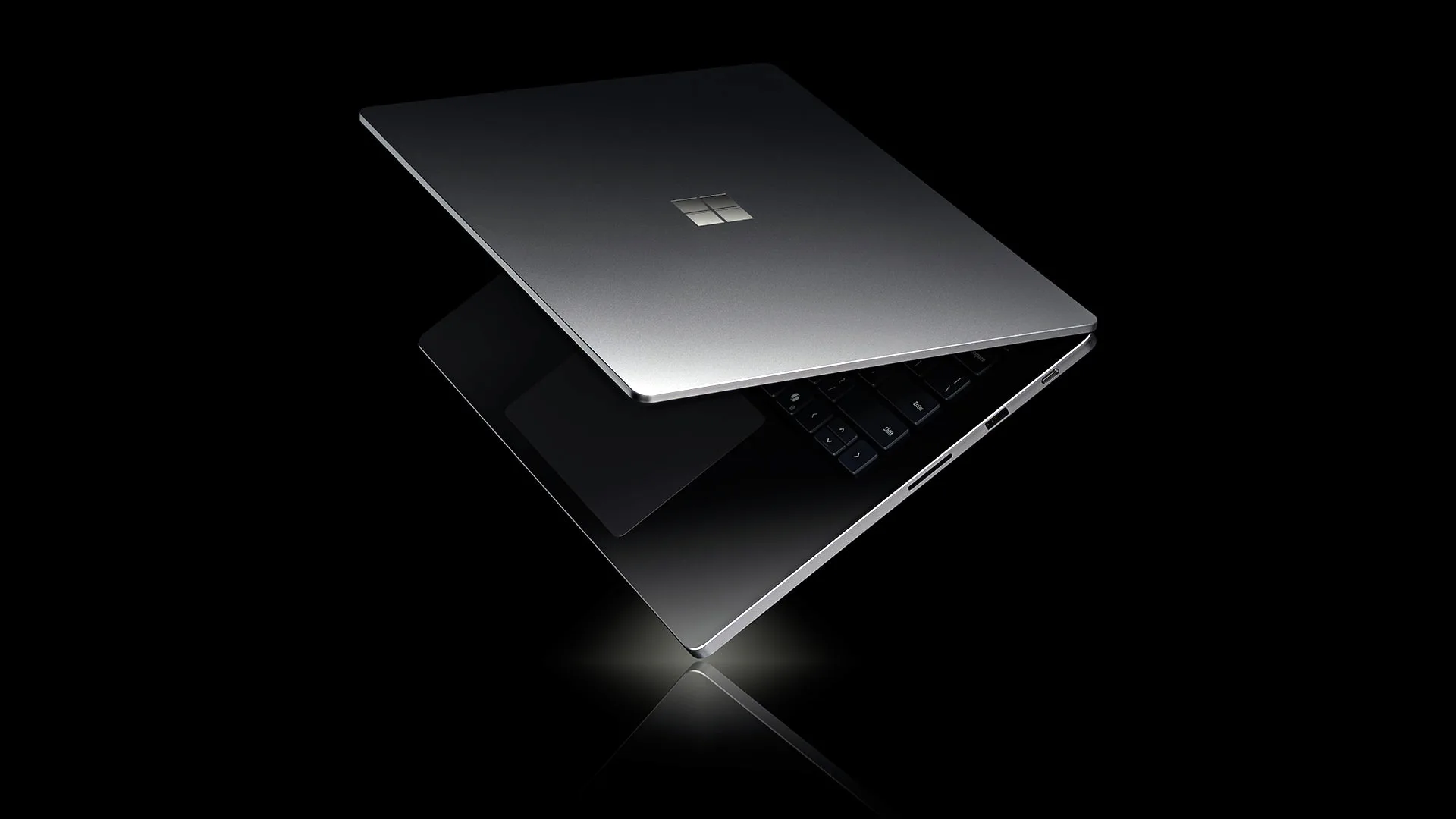
Chip: 18-core, 5,120-core RTX Spark N1X | RAM: 24GB to 128GB | Display: 15-inch mini-LED PixelSense Ultra touchscreen, up to 2,000-nit HDR | Price: Starts at US$2,599.99 / C$3,899.99; base model has 24GB RAM and a 512GB SSD
This is the reference Surface design Microsoft and NVIDIA showed together. Microsoft announced that it is built around NVIDIA RTX Spark with up to 128GB of unified memory and up to one petaflop of AI compute. Microsoft says it has more than 2.5 times the thermal capacity of the company’s existing laptops and keeps more than 99% of its performance on battery.
The display specification is much clearer now: 15 inches, mini-LED, 262 pixels per inch, and up to 2,000 nits of peak HDR brightness. HDMI, USB-C, USB-A, an SD card reader, and a headphone jack are built in. If you’re deep in Windows development and Microsoft’s tools, this remains the most integrated option. Microsoft says the Surface Laptop Ultra is under 18mm thin and under 4.5 lb, and that its new touch display has the brightest peak HDR of any laptop. Microsoft says it also has the most ports on a Surface laptop and says Magnetic Connect, its built-in magnetic USB-C charging, is a world first. Microsoft lists the US base model with an 18-core CPU, 5,120-core GPU, 24GB of memory, and a 512GB SSD for US$2,599.99. The Canadian base price is C$3,899.99. Microsoft’s current catalog exposes purchase actions beginning October 16, so the base model is now orderable. For its fixed desktop sibling, see our Surface RTX Spark Dev Box guide.
Best for creators2. ASUS ProArt P16: Best Display for Creators
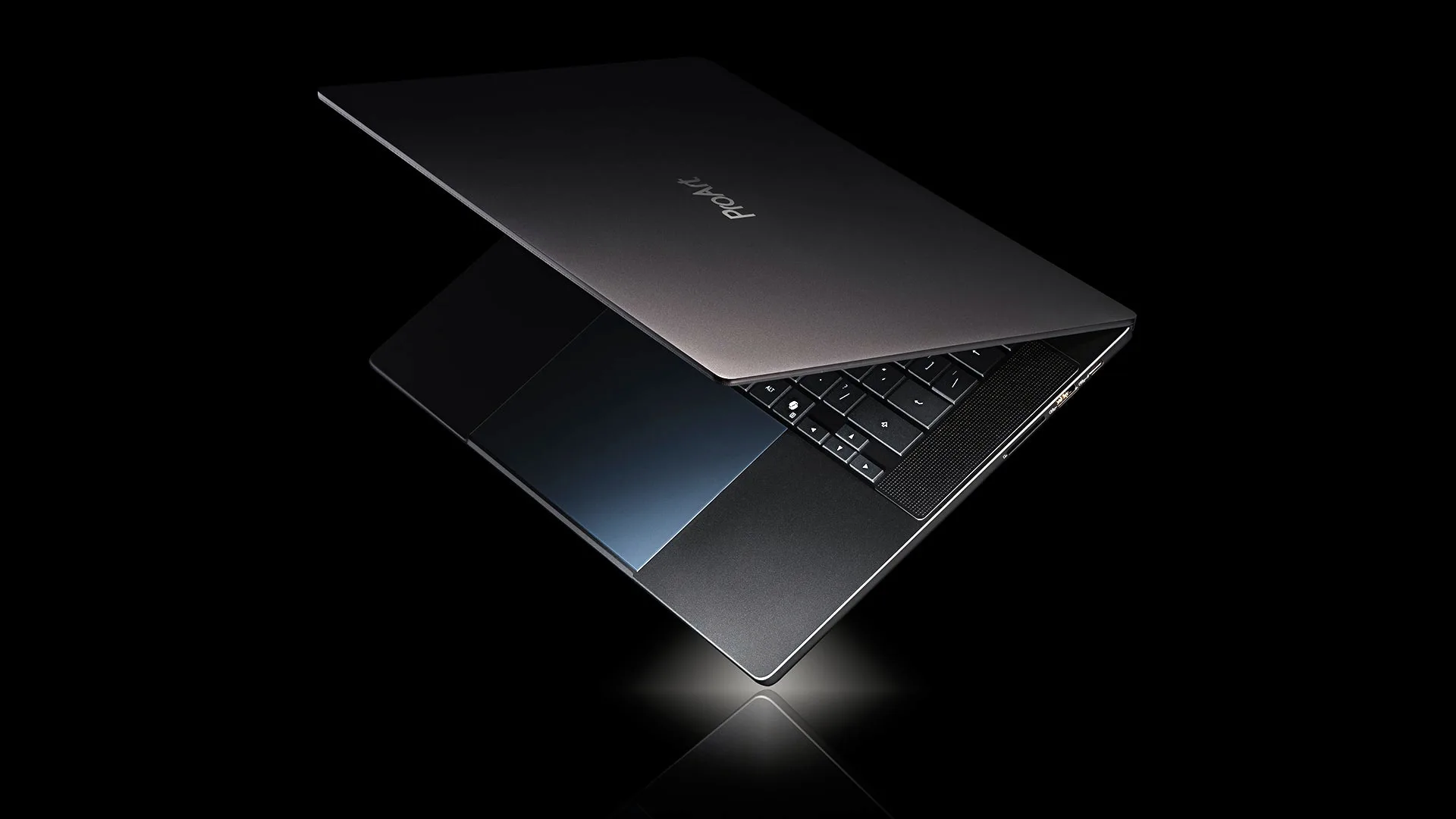
Chip: 18-core to 20-core RTX Spark | RAM: 24GB to 128GB | Display: 16-inch 4K or 3K 120Hz Lumina Pro OLED | Battery: 99.9Wh | Adapter: 140W USB-C | Weight: 1.77kg | Price: Starts at US$2,799.99 / C$4,999.99; US base model has 24GB RAM and a 512GB SSD
ASUS has moved beyond a launch preview and published a proper ProArt P16 specification page. The 4K OLED touchscreen reaches 1,600 nits of peak HDR brightness, covers 100% of DCI-P3, supports variable refresh up to 120Hz, and carries a claimed Delta E below 1. ASUS also lists a 3K 120Hz OLED option, a 99.9Wh battery, two M.2 slots, and 24GB, 32GB, 48GB, 64GB, and 128GB memory configurations.
The surprise is portability. ASUS lists the 16-inch chassis at 12.9-15.9mm and 1.77kg. It ships with a 140W USB-C adapter and a USB-C cable rated for up to 240W. That cable rating is not a 240W laptop charging specification. ASUS lists the P16 from US$2,799.99 for a 24GB/512GB US base configuration. Selected higher-memory US SKUs remain on preorder with October 27 or 28 estimates, while the C$4,999.99 Canadian 32GB/1TB model is listed in stock. It is still my creator pick because it combines the most complete display specification with 128GB availability, but a 16-inch footprint takes more bag space even when the chassis is thin.
Creators building a desk around the P16 should also read the ASUS ProArt PA279CDV analysis. Its 4K QD-OLED panel targets the same colour-sensitive audience, but it trades portability for a proper desktop canvas.
Best portable3. ASUS ProArt P14: Best Portable ProArt
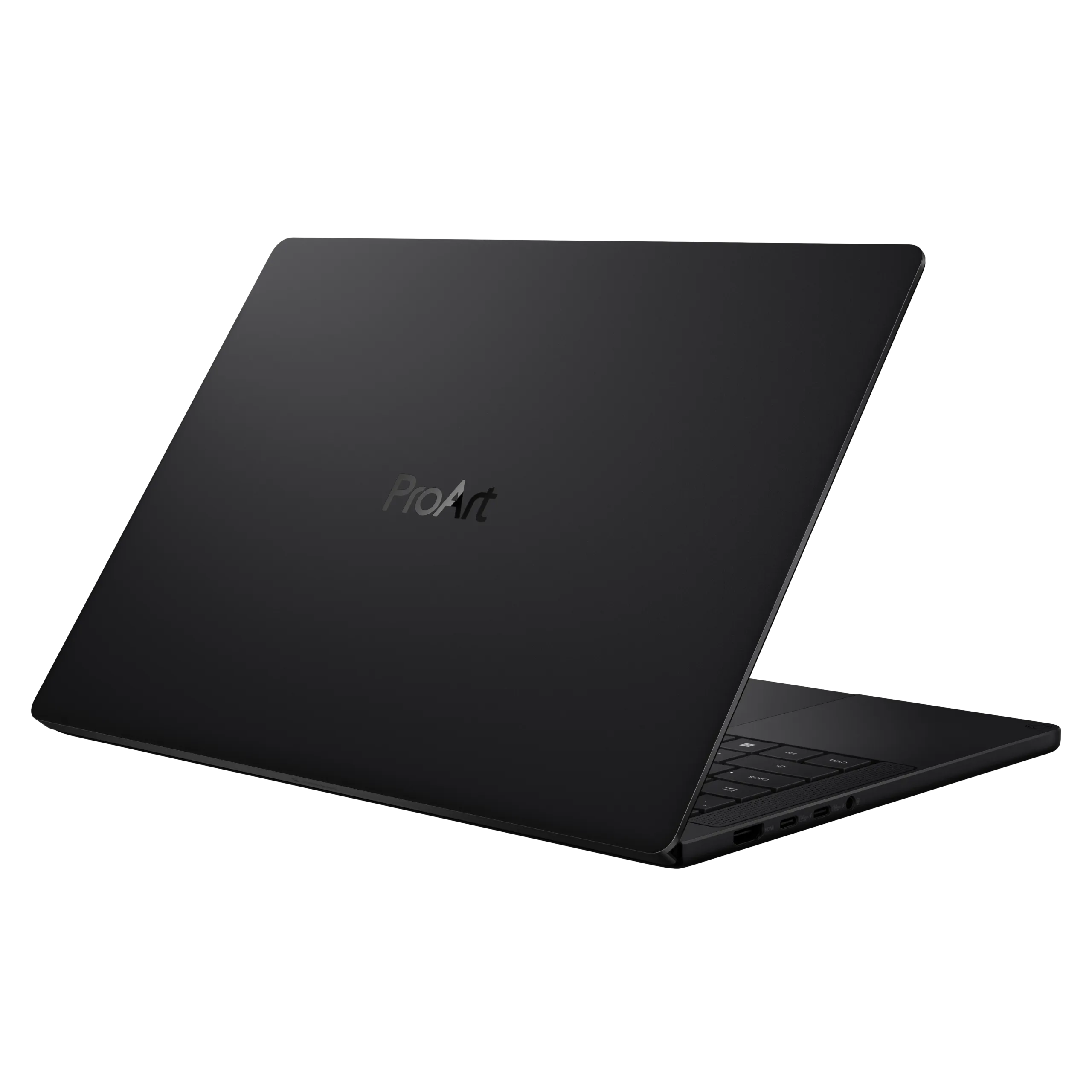
Chip: 18-core to 20-core RTX Spark | RAM: 24GB to 128GB | Display: 14-inch 3K 120Hz Lumina Pro OLED | Battery: 90Wh | Weight: 1.48kg | Price: Starts at US$2,599.99 / C$3,499; base model has 24GB RAM and a 512GB SSD
The P14 is no longer a mystery configuration. ASUS lists the full 20-core RTX Spark platform, memory choices from 24GB through 128GB, up to a 1TB SSD, and a 90Wh battery. Its 3K OLED touchscreen reaches 120Hz. The specification sheet lists one configuration at a 1,600-nit HDR peak and a lower-brightness option at 1,100 nits, so the brighter panel is not guaranteed across every P14.
At 1.48kg, this is the easier ProArt to carry between locations. The trade-off is storage: the published ceiling is 1TB, while the P16 reaches 2TB and provides two M.2 slots in current specifications. ASUS lists the 24GB/512GB P14 from US$2,599.99. Selected US configurations are still on preorder or out of stock, while the C$3,499 Canadian base model is listed in stock. For photographers and mobile video editors, it is the strongest small-screen option now that its memory, battery, and price are confirmed.
Best for XPS buyers4. Dell XPS 16 Creator Edition: Best for XPS Buyers
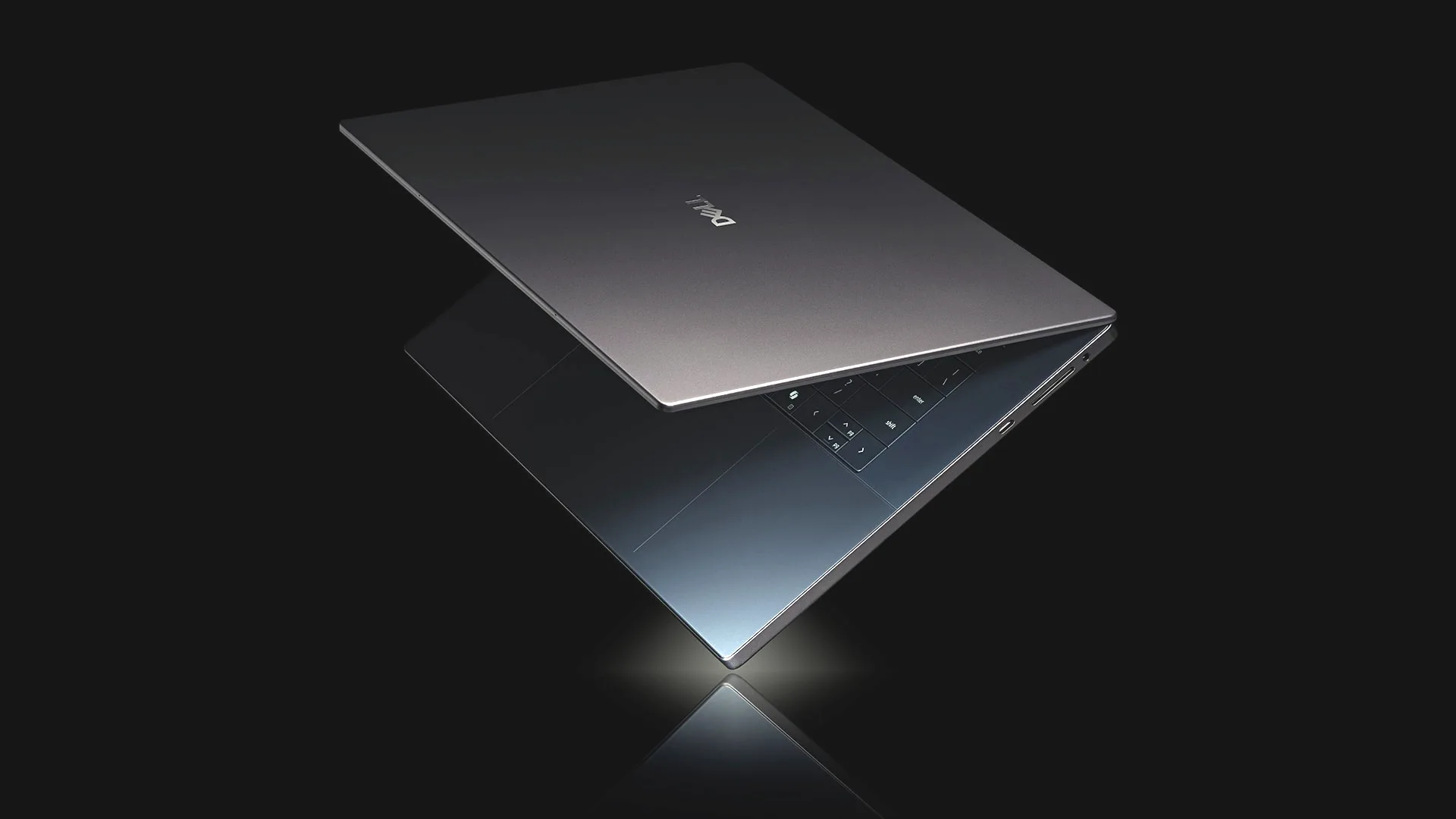
Chip: RTX Spark | RAM: Up to 128GB | Display: 16-inch Tandem OLED, True Black HDR 600 | Price: Starts at US$3,799.99; the cited Dell announcement does not state the starting configuration or a Canadian price
Dell lists the XPS 16 Creator Edition from US$3,799.99 with up to 128GB of unified memory, a Tandem OLED display with True Black HDR 600, HDMI, and an SD card reader. Dell says preorders are open through Best Buy and that Dell.com availability is coming soon. It is aimed at 4K timeline playback, 3D work, compositing, and local AI workflows.
The cited Dell announcement does not provide the complete panel modes, battery capacity, weight, starting configuration, Canadian price or firm ship date. Earlier battery and refresh-rate figures in this guide weren’t present on Dell’s current product announcement, so I’ve removed them. Existing XPS buyers get a familiar support ecosystem, but there isn’t enough confirmed detail yet to call it the battery-life winner.
5. HP OmniBook Ultra 16: HP’s Premium 16-Inch Option
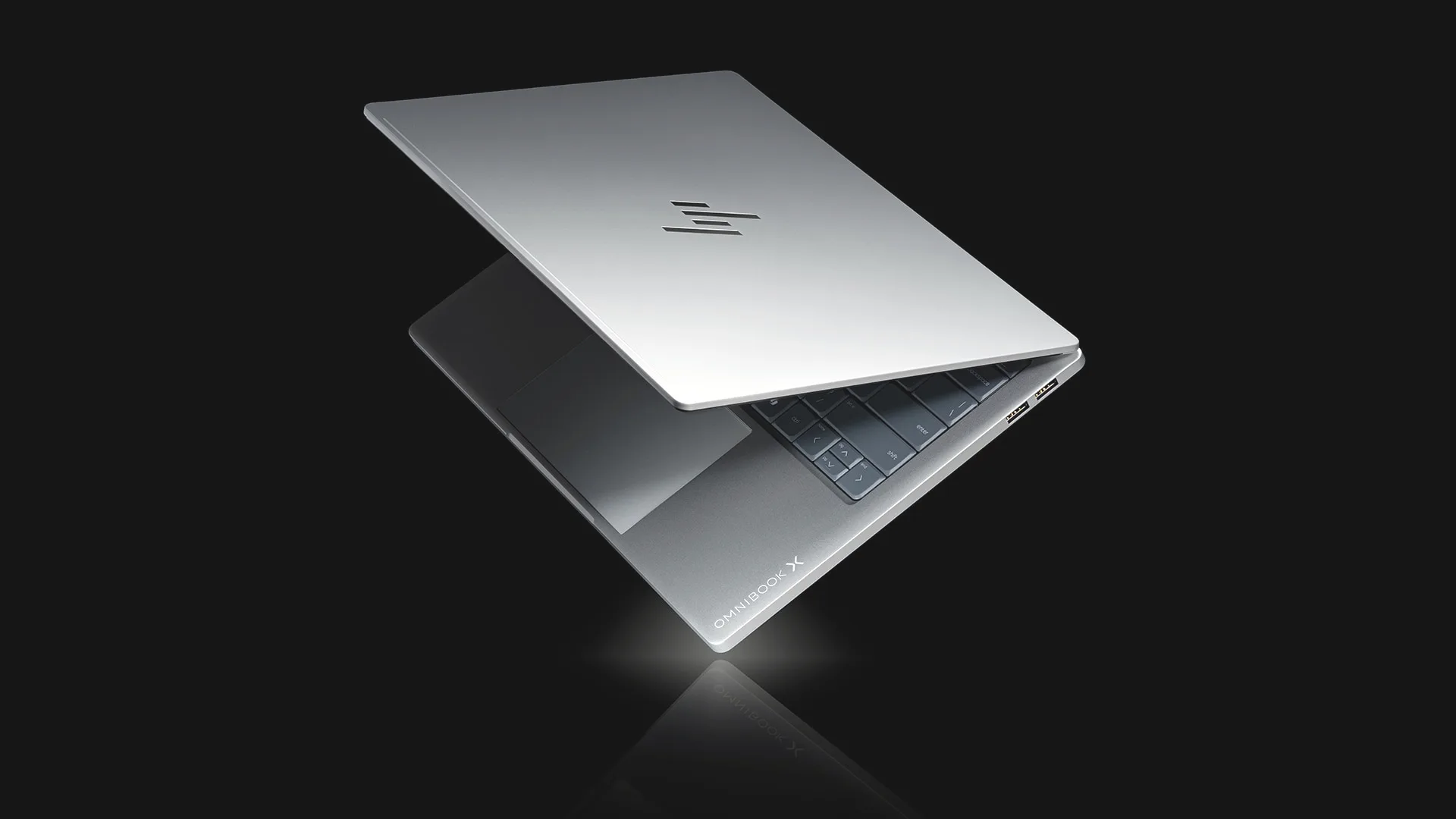
Chip: 18-core, 5,120-core RTX Spark N1X | RAM: 32GB to 128GB LPDDR5X-9400 | Display: 16-inch 3K OLED, DisplayHDR True Black 1000 | Battery: 99Wh | Adapter: 140W | Weight: 2.22kg | Price: Starts at US$3,199.99; base model has 32GB RAM and a 1TB SSD
HP’s October 7 announcement lists the OmniBook Ultra 16 from US$3,199.99, with US availability on October 16. HP’s store lists an 18-core, 5,120-core RTX Spark N1X base configuration with 32GB of memory and a 1TB PCIe Gen5 SSD. A Canadian manufacturer price was not verified in this check. HP now marks the base configuration in stock at US$3,199.99; the final delivery date depends on checkout.
The Ultra 16 reaches 128GB of unified memory and has a 16-inch 3K OLED panel with DisplayHDR True Black 1000, quad speakers, a 99Wh battery, and HP’s tower-hinge cooling layout. The 32GB base configuration is not the 128GB version, so compare the selected memory before ordering.
6. HP OmniBook X 14: HP’s Most Portable Option
Chip: 18-core, 5,120-core RTX Spark N1X | RAM: 32GB to 128GB LPDDR5X-9400 | Display: 14-inch 3K OLED, DisplayHDR True Black 1000 | Battery: 80Wh | Adapter: 140W USB-C GaN | Weight: 1.71kg | Price: Starts at US$2,999.99; base model has 32GB RAM and a 1TB SSD
The OmniBook X 14 brings the same two RTX Spark platform choices to a smaller chassis. HP confirms an OLED display with DisplayHDR True Black 1000, up to 15 hours of video playback in its own test, and charging to 50% in about 30 minutes with the included 140W USB-C GaN adapter.
HP lists the OmniBook X 14 from US$2,999.99, with US availability on October 16. The HP store’s base configuration has an 18-core, 5,120-core RTX Spark N1X chip, 32GB of memory, and a 1TB PCIe Gen5 SSD. A Canadian manufacturer price was not verified in this check. HP now marks the base configuration in stock at US$2,999.99; the final delivery date depends on checkout.
Best port selection7. Lenovo Pro 9n: Best Port Selection
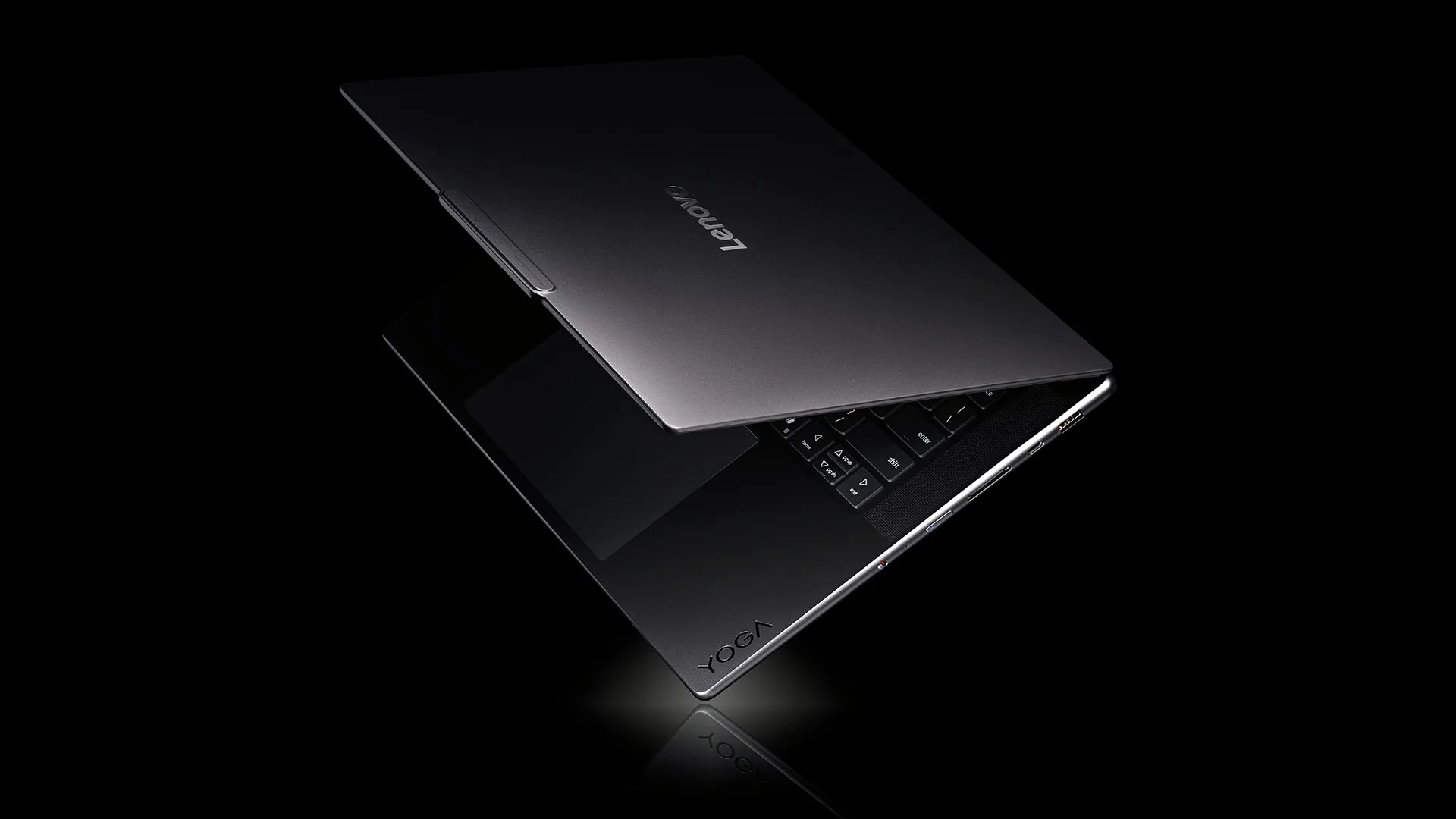
Chip: 18-core, 5,120-core RTX Spark N1X | RAM: 32GB to 128GB LPDDR5X-9400 | Display: 15.3-inch 2560×1600 OLED, 48-165Hz VRR | Battery: 92.5Wh | Adapter: 140W | Weight: 1.65kg | Price: Manufacturer product data lists US$2,999.99 / C$4,149.99; entry configuration and delivery estimate not reverified
Lenovo announced this laptop as the Yoga Pro 9n, while its current US and Canadian product pages call it the Lenovo Pro 9n (15-inch NVIDIA). The US product data lists US$2,999.99 and the Canadian product data lists C$4,149.99. The visible configurator did not provide a current order or shipping estimate in our October 12 check, so confirm the selected configuration and delivery terms with Lenovo.
The 1.65kg starting weight makes the Lenovo Pro 9n unusually portable for this level of memory and I/O. It also offers two M.2 slots with up to 4TB total storage, HDMI 2.1, two USB4 ports, two USB-A ports, and a UHS-II SD reader. The pen-enabled haptic touchpad remains its odd but potentially useful creator feature.
Best pen support8. Lenovo Yoga 9n 2-in-1: Best Pen Support
Chip: Up to 20-core, 6,144-core RTX Spark | RAM: Up to 64GB LPDDR5X-9400 | Display: 16-inch 2880×1800 OLED touchscreen, 30-120Hz VRR | Battery: 99.9Wh | Weight: 1.94kg | Price: Starts at US$2,999.99 / C$4,299.99; Lenovo does not state the starting configuration on its category listing
This is no longer a leak. Lenovo officially announced the Yoga 9n 2-in-1 on September 3 with a 360-degree hinge and pen input on both the OLED display and haptic Force Pad. The 16-inch PureSight Pro OLED reaches a claimed 1,100-nit HDR peak, and the rotating soundbar keeps its tweeters facing forward in laptop, tablet, tent, stand, and canvas modes.
Lenovo specifies up to 64GB of unified memory and up to 2TB of storage for Yoga 9n 2-in-1. Its current manufacturer product data lists starting prices of US$2,999.99 and C$4,299.99. Lenovo marks the model in stock in the US and Canada, but does not show a universal delivery date. Its convertible design and dual-surface pen input make it the more relevant Lenovo for drawing and presentations; Pro 9n offers a higher advertised memory ceiling.
Convertible with up to 128GB9. MSI Prestige N16 Flip AI+: Convertible With Up to 128GB
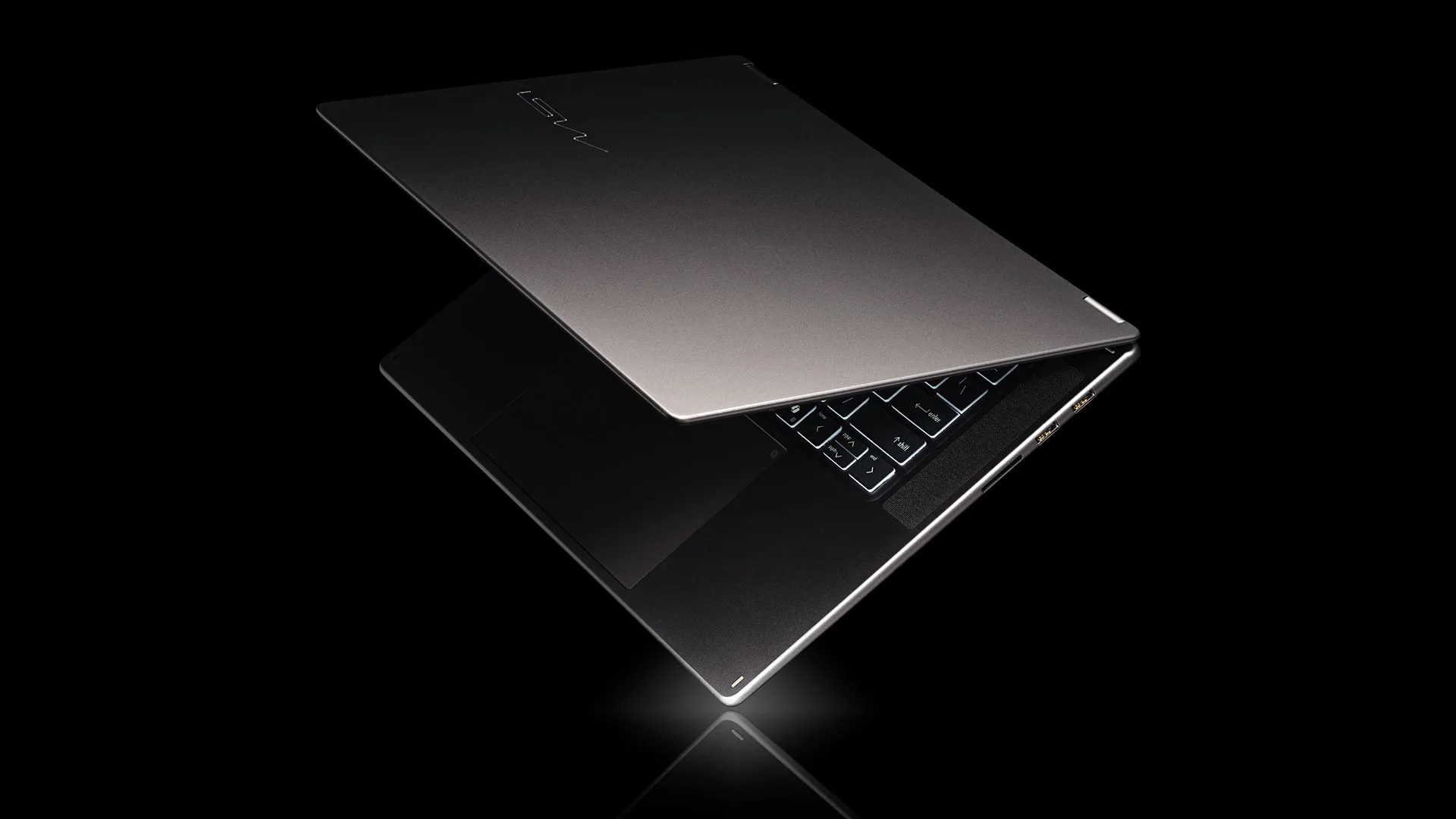
Chip: 18-core to 20-core RTX Spark | RAM: 32GB to 128GB | Display: 16-inch 2.8K OLED or UHD+ Tandem OLED touchscreen, depending on configuration | Battery: 99.9Wh | Price: Starts at US$3,299.99; base model has 32GB RAM and a 1TB SSD
MSI says the Prestige N16 Flip AI+ is available for preorder through certified partners in select markets. It has more than 1,000 nits of peak brightness, 100% DCI-P3 coverage, Calman verification, a claimed Delta E below 1, a 99.9Wh battery, the MSI Nano Pen, and its Action Touchpad. The 360-degree hinge supports laptop, tablet, tent, and presentation modes.
MSI’s US store lists the 32GB/1TB C1XMT-067USY at US$3,299.99 with Notify Me, the 64GB/1TB C1XMT-066USY at US$4,199.99 with Add to Cart, and the 128GB/2TB C1XMT-062USY at US$6,799.99 with Add to Cart. The two lower-memory listings specify 2.8K OLED; the 128GB listing specifies UHD+ Tandem OLED. No firm ship date was stated on the manufacturer pages checked, and a Canadian manufacturer price was not verified.
Acer’s Confirmed System Is a Desktop; GIGABYTE Remains Unnamed
Acer’s September 2 announcement is for a compact small-form-factor desktop, not a laptop. It does not belong in this laptop count. NVIDIA lists GIGABYTE among RTX Spark desktop partners, but GIGABYTE has not named an RTX Spark laptop as of September 10. I will add another laptop only after its manufacturer publishes a model and specifications.
Quick Comparison Table
| Laptop | Screen | Memory | Battery | Confirmed Difference | Official Starting Price |
|---|---|---|---|---|---|
| Surface Laptop Ultra | 15″ mini-LED | 24GB to 128GB | TBD | 2,000-nit peak HDR | US$2,599.99 / C$3,899.99 |
| ASUS ProArt P16 | 16″ 4K or 3K 120Hz OLED | 24GB to 128GB | 99.9Wh | 1.77kg, two M.2 slots | US$2,799.99 / C$4,999.99 |
| ASUS ProArt P14 | 14″ 3K 120Hz OLED | 24GB to 128GB | 90Wh | 1.48kg | US$2,599.99 / C$3,499 |
| Dell XPS 16 Creator | 16″ Tandem OLED | Up to 128GB | TBD | HDR 600, HDMI and SD | US$3,799.99 / Canada: manufacturer price not verified |
| HP OmniBook Ultra 16 | 16″ 3K OLED | 32GB to 128GB | 99Wh | True Black 1000, 2.22kg | US$3,199.99 / Canada: manufacturer price not verified |
| HP OmniBook X 14 | 14″ 3K OLED | 32GB to 128GB | 80Wh | True Black 1000, 1.71kg | US$2,999.99 / Canada: manufacturer price not verified |
| Lenovo Pro 9n | 15.3″ 2.5K 48-165Hz OLED | 32GB to 128GB | 92.5Wh | 1.65kg, 80W TDP, two M.2 slots | US$2,999.99 / C$4,149.99 |
| Lenovo Yoga 9n 2-in-1 | 16″ 2.8K 30-120Hz OLED | Up to 64GB | 99.9Wh | Dual-surface pen input | US$2,999.99 / C$4,299.99 |
| MSI Prestige N16 Flip AI+ | 16″ OLED; resolution varies by configuration | 32GB to 128GB | 99.9Wh | Calman-verified 2-in-1 | US$3,299.99 / Canada: manufacturer price not verified |
NVIDIA’s RTX Spark platform landed at Computex and the laptop list has grown quickly. The draw is up to 128GB of unified memory, a 20-core Arm CPU, and a 6,144-CUDA-core Blackwell GPU. NVIDIA now lists two laptop configurations with different CPU, GPU, and memory ceilings. I covered the platform in depth here if you want the full technical breakdown first.
Working hardware has now escaped the glass case. PC Gamer played games on the ProArt P14, XPS 16 Creator Edition, and Surface Laptop Ultra at Gamescom 2026, but published no controlled performance numbers. NVIDIA also announced RTX Spark support from EA, Ubisoft, and Embark for F1 25, Apex Legends, Anno 117: Pax Romana, ARC Raiders, and THE FINALS, plus native EA Javelin Anticheat support. Good news, but still not a benchmark. For the game-by-game compatibility limits and buying verdict, see my RTX Spark gaming guide.
Two model-level hands-on reports add useful context without replacing retail reviews. Tom’s Guide tried six RTX Spark laptops and preferred the HP OmniBook Ultra 16’s keyboard for gaming, while flagging the Dell XPS 16 keyboard and ProArt P14 fan noise. TechRadar played Borderlands 4 on the OmniBook Ultra 16 and judged it to be running above 60 FPS with DLSS Frame Generation set to 2x. Neither outlet published a controlled benchmark for that claim, so treat it as a show-floor impression.
RTX Spark Laptop Release Date and Where to Buy
Surface Laptop Ultra purchase availability began October 16. HP marks both OmniBook base configurations in stock, Lenovo marks both models in stock in the US and Canada, and MSI now shows Add to Cart for its 64GB and 128GB configurations. ASUS Canada marks both ProArt pages in stock, while selected US ProArt configurations remain on preorder for late October.
Dell still directs US buyers to a Best Buy preorder and says Dell.com availability is coming soon. MSI’s 32GB entry configuration still says Notify Me, and exact delivery dates remain configuration-specific. Use the manufacturer links in the price table to confirm the selected configuration before ordering.
Which RTX Spark Laptop Should You Wait For?
The best fit depends on what you actually do and how much memory the workload needs. These machines range from 1.48kg creator laptops to 16-inch convertibles.
For local AI work that needs 128GB, start with the Surface Laptop Ultra, ASUS ProArt models, HP OmniBooks, Dell XPS 16 Creator Edition, or Lenovo Pro 9n. Wait for exact retail configurations before assuming every version reaches that ceiling.
For color-sensitive creative work, the ASUS ProArt P16 has the most complete display and storage specification. For travel, the 1.48kg ProArt P14 remains the easy pick.
For ports and sustained power, the Lenovo Pro 9n stands out with two USB4 ports, two USB-A ports, HDMI 2.1, UHS-II SD, two M.2 slots, and an 80W platform limit.
For pen work, the Lenovo Yoga 9n 2-in-1 is the more interesting convertible because the pen works on both its OLED display and haptic touchpad. The MSI Prestige N16 Flip AI+ offers up to 128GB of memory and the same 99.9Wh battery capacity, but its entry model has a different OLED panel from the UHD+ Tandem OLED on the 128GB listing. Check the configuration and current order status in the price table.
The HP OmniBook Ultra 16 now has enough confirmed detail to take seriously, especially its 128GB ceiling, 3K OLED, and 99Wh battery. I would still wait for retail reviews of its cooling system before choosing it over the P16 or Lenovo Pro 9n.
Existing Dell buyers may prefer the XPS 16 Creator Edition, but Dell still owes buyers basic details such as battery capacity, weight, and panel modes.
Official Prices and Configuration Caveats
The official US starting prices now span US$2,599.99 to US$3,799.99. The least expensive entries are the Surface Laptop Ultra and ASUS ProArt P14 at US$2,599.99. The Dell XPS 16 Creator Edition is the most expensive starting point at US$3,799.99.
Entry prices are not the top of the range. MSI lists its orderable 64GB/1TB model at US$4,199.99 and its orderable 128GB/2TB model at US$6,799.99. Compare memory, storage, display and order status together instead of treating a starting price as the cost of the highest specification.
Starting prices do not buy the maximum specification. Microsoft, ASUS, HP, Lenovo, and MSI publish entry configurations with 24GB or 32GB of memory where stated, while the headline platform ceiling is 128GB. Dell and Lenovo do not state the entry configuration for the XPS 16 Creator Edition and Yoga 9n 2-in-1 on the manufacturer pages used here.
Verified Canadian manufacturer prices are C$3,899.99 for Surface Laptop Ultra, C$3,499 for ProArt P14, C$4,999.99 for ProArt P16, C$4,149.99 for Lenovo Pro 9n and C$4,299.99 for Yoga 9n 2-in-1. Lenovo currently marks both Canadian product pages in stock; final delivery details still require checkout confirmation. The UK figures above were checked October 19, 2026. UK manufacturer prices for the HP OmniBook Ultra 16, HP OmniBook X 14 and MSI Prestige N16 Flip AI+ were not verified. No figure here is converted from another currency.
Configuration choices can move the final price sharply. Unified memory capacity, storage, display type, chassis and cooling design, and bundled support all vary across these nine laptops. A high-memory creator configuration won’t share the entry price of a lower-memory base system.
Storage is worth watching too: check the live SSD price tracker before you finalize a configuration, since component costs feed directly into the final price.
Considering the mini PC route instead? The AMD Ryzen AI Halo puts 128GB of unified memory on a desk for less than most of these laptops, and the Lenovo Yoga AI Mini PC shows what the small-form-factor version of this hardware looks like.
RTX Spark laptop FAQ
How much does an RTX Spark laptop cost?
The manufacturer-published US starting prices in this comparison run from US$2,599.99 to US$3,799.99. Surface Laptop Ultra and ASUS ProArt P14 share the lowest announced entry price. The verified Canadian prices start at C$3,499 for ProArt P14, while verified UK manufacturer prices start at £2,599 including VAT for Surface Laptop Ultra. Higher-memory configurations cost more, and a listed entry price does not guarantee current stock. See the regional price and order-status tables.
When can I buy an RTX Spark laptop?
RTX Spark retail availability began October 16. Surface Laptop Ultra, both HP models, both Lenovo models and selected MSI configurations are currently orderable, while some ASUS configurations remain on preorder and Dell remains preorder-only. These are not universal delivery dates. Other models and regions have separate schedules, and some configurations say Notify Me. Confirm the exact model’s order status and shipping estimate on its manufacturer’s page.
What is the current price of the NVIDIA N1X chip?
The prices here are for complete RTX Spark laptops. We have not verified a standalone consumer retail price for the N1X chip. NVIDIA describes RTX Spark as a platform combining a Grace CPU, Blackwell RTX graphics and unified memory. Do not confuse laptop prices with separate DGX Spark or Surface Dev Box desktop prices. Our RTX Spark platform explainer covers the distinction.
Is RTX Spark better than M5?
This comparison does not establish that RTX Spark is faster than an M5 MacBook. I have not tested these laptops side by side. Choose based on the software you need, the memory configuration and independent results for your actual workload, rather than comparing a manufacturer’s peak AI figure with a different machine’s benchmark. Our RTX Spark versus Apple Silicon guide explains the platform trade-offs.
Which NVIDIA graphics option is best for a laptop?
There is no single best option for every workload. RTX Spark combines CPU and graphics in a shared-memory platform, so it is a different buying decision from choosing a conventional GeForce laptop GPU. For local AI, confirm that your software supports the platform and that the chosen memory capacity fits your workload. For gaming, check the exact games, anti-cheat requirements and independent results for the laptop you plan to buy. Start with our RTX Spark gaming compatibility guide.
And once the new machine arrives, give it a desk that deserves it: the ergonomic desk setup checklist covers positioning in eight steps, and our cable management guide keeps the charger, dock, and monitor cables from taking over.
Not ready to wait for Spark? A traditional gaming laptop you can buy today covers most of the same ground for gaming and lighter AI work. Start with my Lenovo Legion 7i Gen 10 review, or check the Lenovo Legion 7i with RTX 5060. For efficient Windows-on-Arm alternatives, compare the confirmed Snapdragon X2 Elite laptops. If video editing is the priority, my budget video-editing laptop guide for Canada compares five current machines you can buy now.


